Nature & Lake Kerkini
Water, seasons and wildlife.
Kerkini is a living wetland. This guide offers documented starting points, not guarantees of sightings or access.

The lake
A human-made lake with international ecological importance.
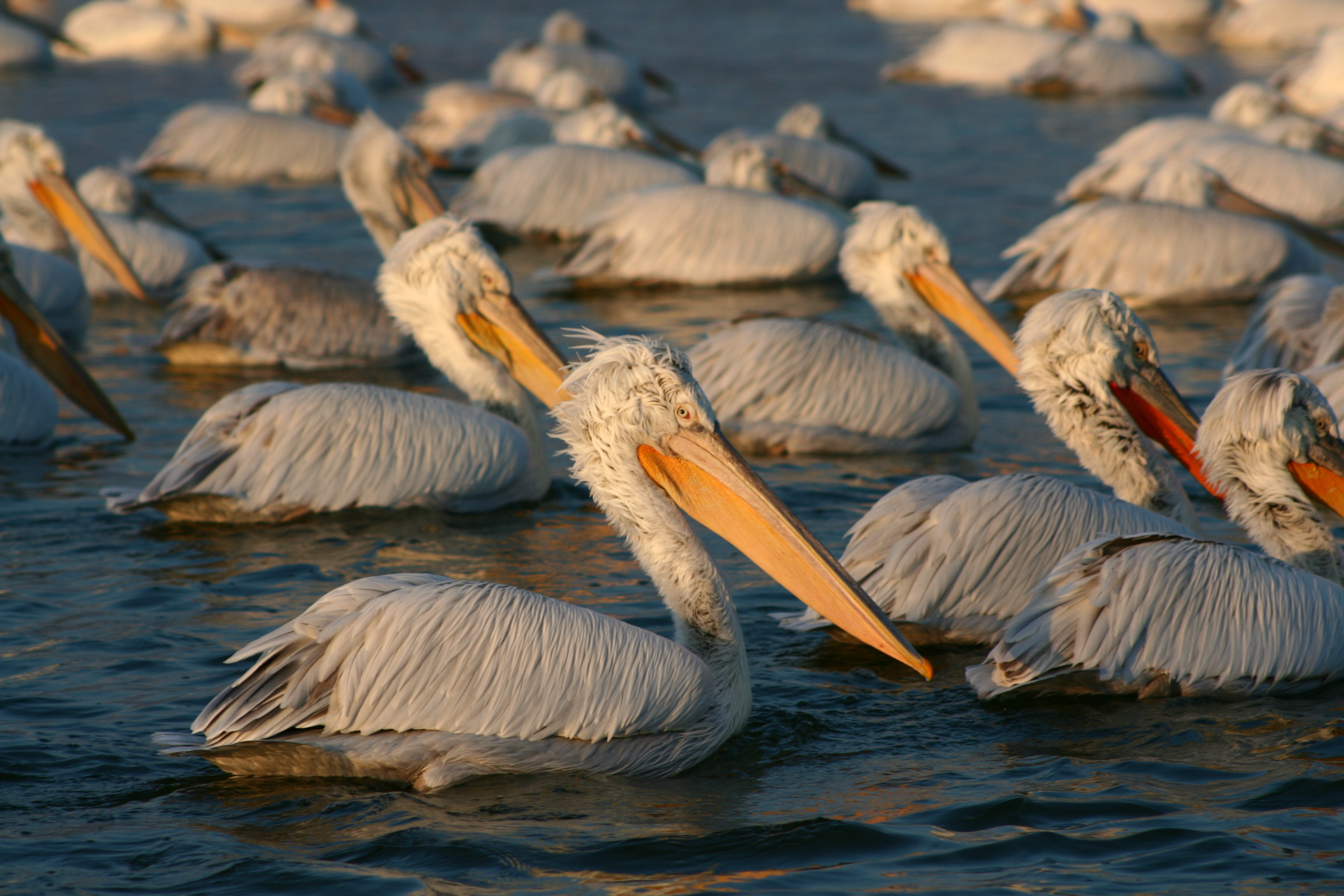
Today’s lake was formed in 1932 by damming the Strymonas. It is recognised as a Ramsar wetland of international importance. More than 300 bird species have been recorded in the national park, but their presence and movement change with the seasons.
Around Vyroneia
Marshes, river mouth and riparian woodland.
On Kerkini’s northern embankment, the Vyroneia marshes connect with the Strymonas river mouth and riparian woodland. This is a landscape description, not a surveyed accessible route.
Every season is different
Migration, wintering and water level shape what may be present. Sightings are never guaranteed.
Plava, boat or canoe
The municipality mentions these forms of exploring. Route and operation depend on conditions and the individual provider.
Distance and quiet
Do not approach nests or large bird gatherings. Follow current protected-area guidance.
Mount Belles
Walking without unsupported promises.
The Municipality of Sintiki describes walking trails on Mount Belles, several marked by local outdoor clubs. We do not publish unverified distance, difficulty, GPX files or accessibility claims. Check weather, markings and current route condition before setting out.
Beyond the shore
Strymonas and Aetovouni.
Two strands of the landscape that require preparation rather than improvisation.
The Strymonas feeds Kerkini
The Region of Central Macedonia describes the river entering from Bulgaria through Roupel and feeding the lake, which was created for flood control, sediment retention and irrigation.
Aetovouni and the old road
The old Neo Petritsi–Aetovouni road is described as part of the E6 route. Public local history connects the abandoned settlement with residents who moved mainly to Vyroneia. We do not publish an unsurveyed self-guided route.

Water buffalo
Part of the wider landscape, not a timed attraction.
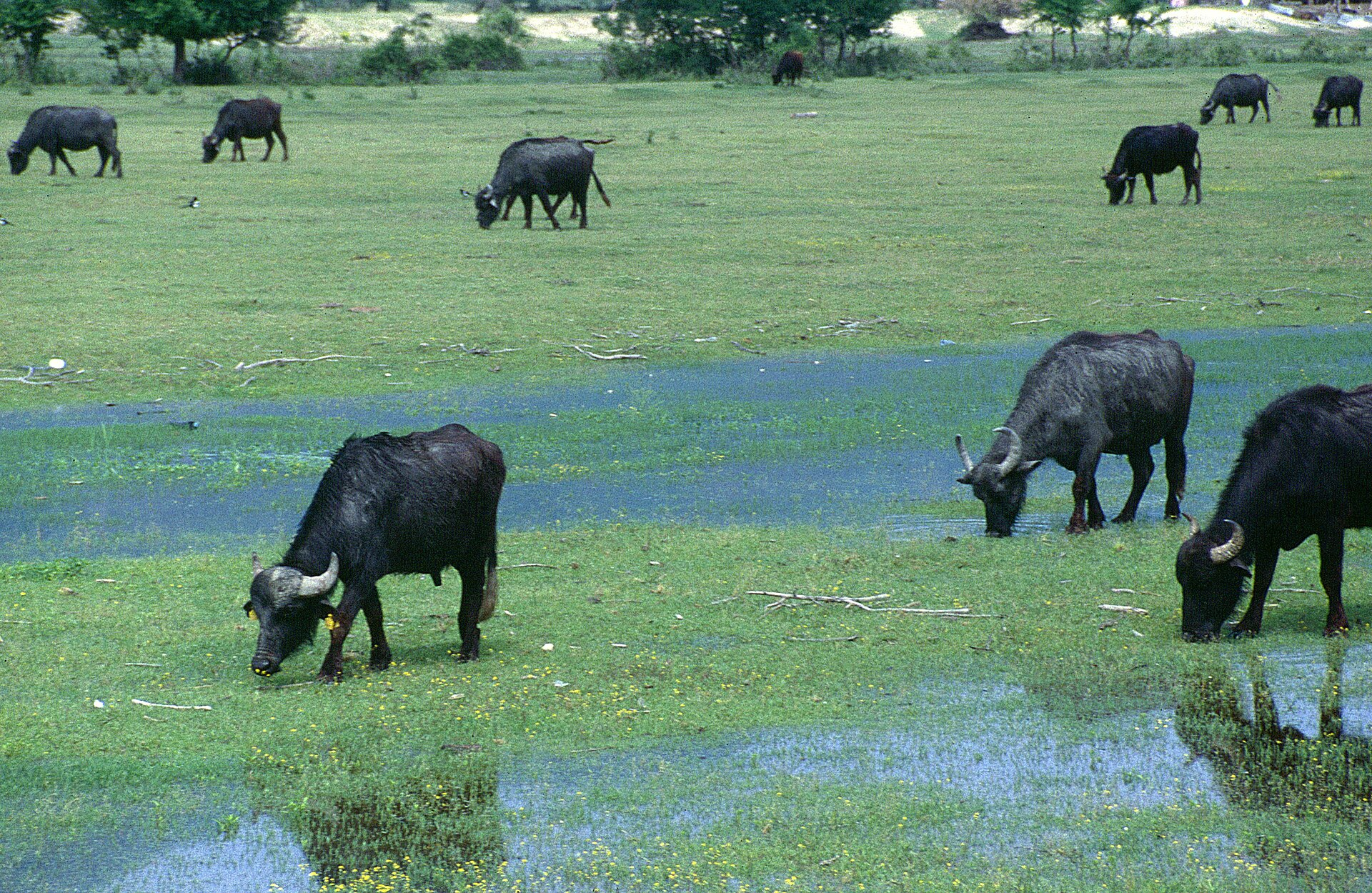
The municipality identifies the Strymonas riverbed below Omalo/Thrakiko as an area where water buffalo live. This is not a promise of an encounter, a staffed zoo or a service with confirmed opening hours.